PHASE ONE ORTHODONTICS
phase 1 ORTHO
Early care for kids and teens
Most parents assume orthodontics begins when the adult teeth come in. But some of the most important work happens much earlier while a child's jaw is still growing and the opportunity to guide it is at its greatest. Dr. Lena Sapozhnikoff in Lower Manhattan offers early orthodontic evaluation and Phase One treatment to provide children the foundation they need for a healthy bite, easier breathing, and a smile that lasts a lifetime.
Why start early?
By age six, 90% of craniofacial growth is already complete, which means the window for influencing how a child's jaw develops is earlier than many parents expect. The American Association of Orthodontics recommends a first orthodontic visit by age seven, but Dr. Lena encourages an evaluation even sooner. Crowded baby teeth, mouth breathing, snoring, or difficulty chewing can all be signs that a child's jaw and airway may benefit from early intervention.
At a consultation, Dr. Lena Sapozhnikoff will evaluate your child's growth patterns, bite, breathing, and development, and if early intervention is recommended, she'll explain what it may involve and what it could mean for their long-term orthodontic journey. For many children, addressing these issues earlier rather than later can simplify and improve oral health for a lifetime.
Signs that your child may benefit from an early evaluation include:
At a consultation, Dr. Lena Sapozhnikoff will evaluate your child's growth patterns, bite, breathing, and development, and if early intervention is recommended, she'll explain what it may involve and what it could mean for their long-term orthodontic journey. For many children, addressing these issues earlier rather than later can simplify and improve oral health for a lifetime.
Signs that your child may benefit from an early evaluation include:
- Crowded or protruding baby teeth
- No spacing between primary teeth
- Crossbite, underbite, or deep bite
- Mouth breathing or snoring
- Teeth grinding at night
- Difficulty chewing or biting
- Losing baby teeth before age five
- Upper front teeth that protrude or stick out significantly
Phase One treatment
Phase One orthodontics typically begins between ages six and nine. At this stage, the jaw, palate, and bite are still developing, making it easier to guide growth in ways that aren't available once a child is older. Depending on what Dr. Lena identifies at your child's evaluation, Phase One treatment may include:
- A palate expander to widen a narrow upper jaw, creating room for incoming adult teeth and improving nasal airflow
- Temporary braces or Invisalign First to address early tooth positioning
- A lower expander to create space in the bottom arch
- Habit appliances to discourage mouth breathing or tongue thrusting that can alter how the jaw develops over time
Dr. Lena also works with myofunctional therapists and looks at contributing factors like tongue tie, diet, and breathing patterns, because how a child breathes and swallows has a direct effect on how their jaw and face grow.
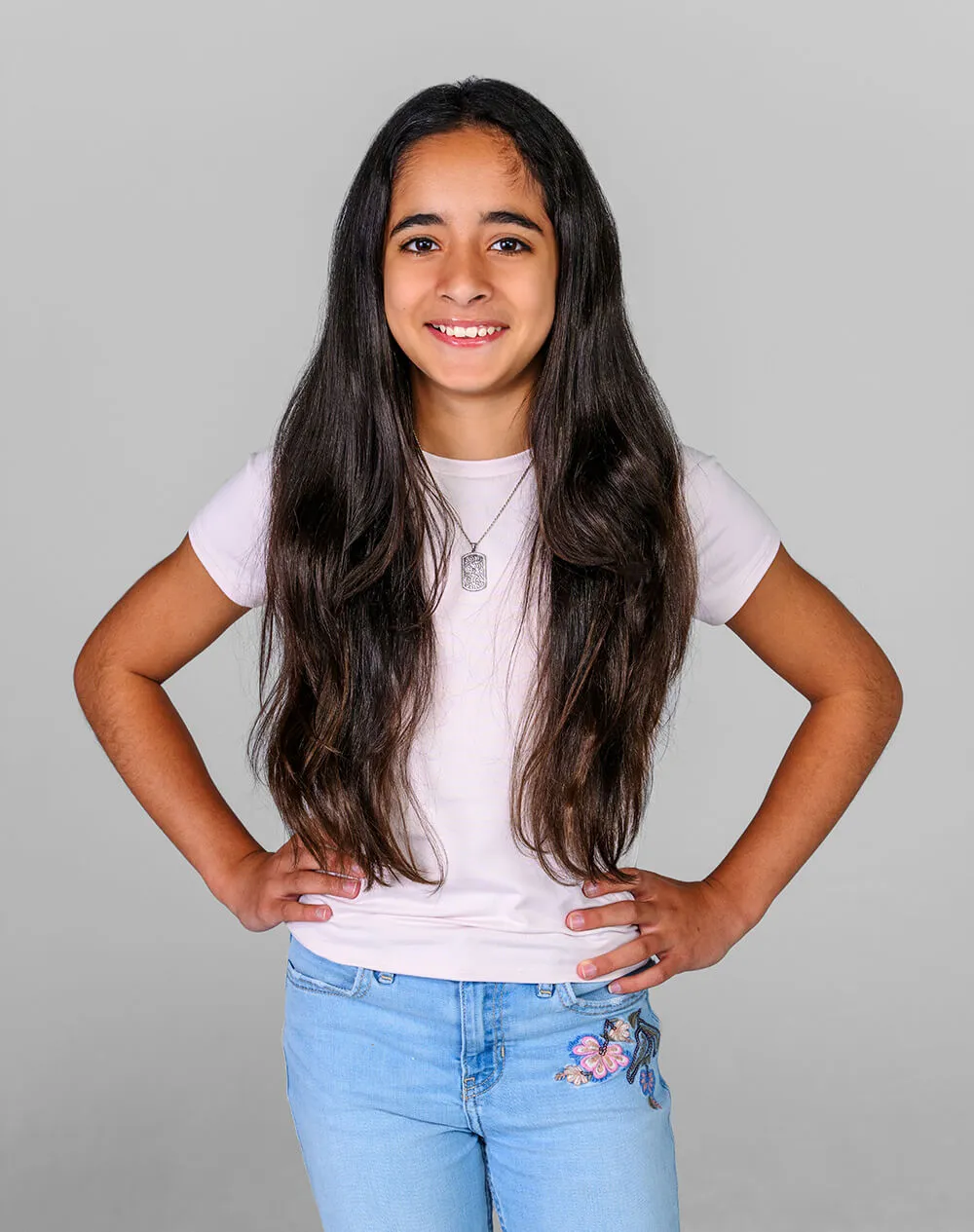

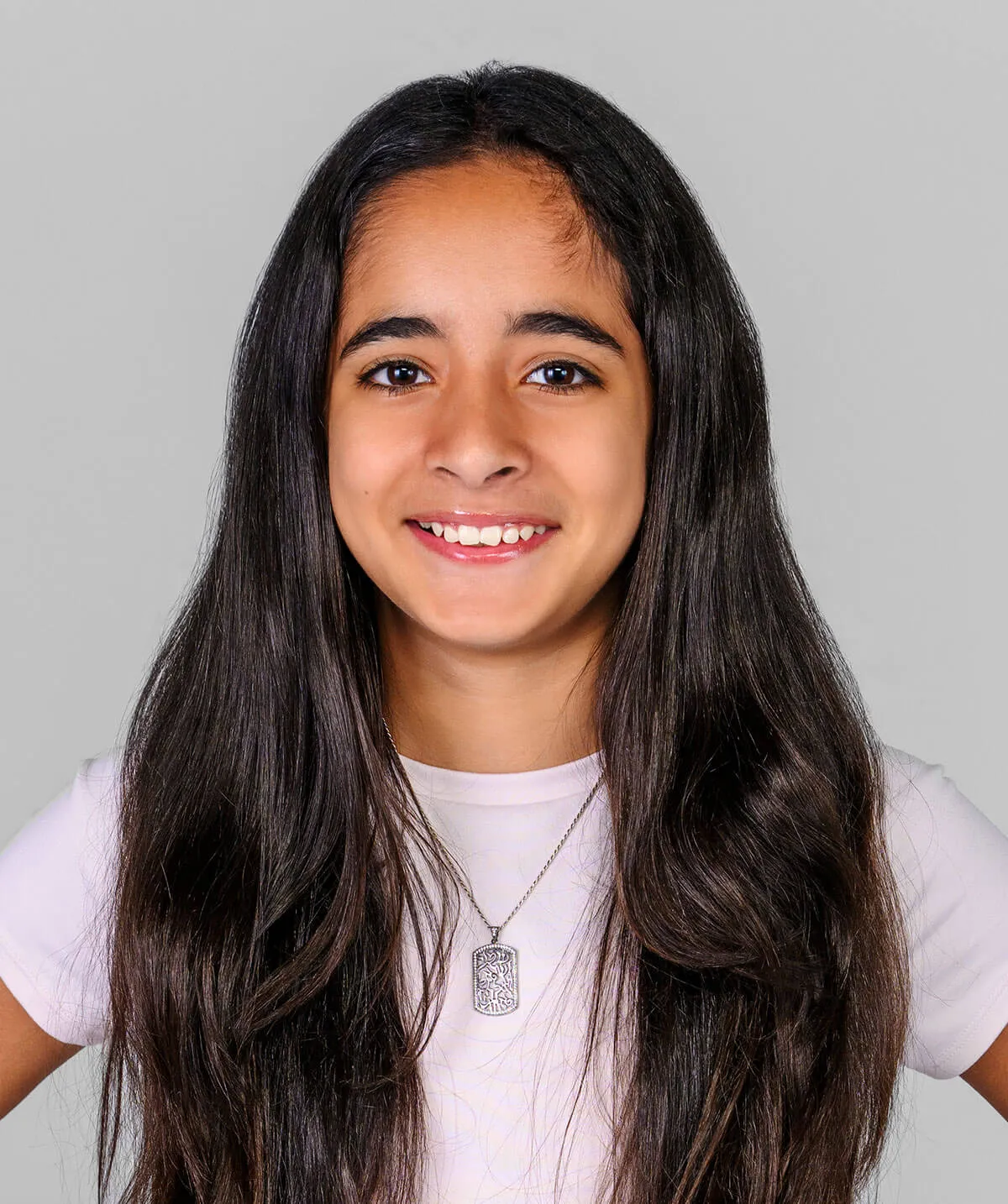
Palatal expansion for kids
One of the most common Phase One treatments is palatal expansion. When a child's palate is too narrow, there isn't enough room for adult teeth to come in properly, leading to crowding, crossbite, and often, breathing difficulties. A palate expander widens the jaw while the bone is still developing and most responsive, creating space for incoming teeth and improving nasal airflow at the same time. For younger children, Dr. Lena typically uses a conventional RPE device. For older children approaching adolescence, a miniscrew-assisted expander may be recommended. Expansion at this stage is significantly more straightforward than addressing the same issue in adulthood. See the MARPE/MASPE page for more on palatal expansion for teens and adults.
Phase Two Treatment
Not every child who has Phase One treatment will need Phase Two, and for those who do, Phase One will have laid the groundwork. Phase Two focuses on moving permanent teeth into their ideal positions using braces or Invisalign Teen. If a child didn't receive adequate expansion earlier, MARPE or MASPE palatal expansion may be incorporated at this stage alongside orthodontic treatment.
Why choose Dr. Lena?
Dr. Lena Sapozhnikoff has dedicated extensive continuing education to pediatric growth, airway health, and early orthodontic intervention. Her approach treats the child as a whole, not just the teeth, and she works collaboratively with families to build treatment plans that are both clinically sound and practical for real life.